
Last Updated on March 19, 2026 by Masha Eretnova
If you have ever walked into an art supply store, stared at hundreds of paint tubes, and walked out empty-handed, you are not alone. Starting to paint as a beginner is genuinely hard, not because painting itself is hard, but because the first step feels impossible.
What paper do you buy? Which paints are worth the money? Do you need special brushes? The questions pile up before you even make a single mark.
This is exactly why so many people who say “I want to learn to paint” never actually start. The barrier to entry is surprisingly high, and most tutorials assume you already have a full setup ready to go.
But there is a better way in, and it starts with rethinking how you approach your very first supplies.
Why Watercolor Is a Perfect First Medium
Acrylic paint is a fantastic medium, and if you spend any time on this site you know just how versatile and beginner-friendly it can be.
But watercolor deserves a special mention for people who are just dipping their toes into art for the first time.
Watercolor is portable, lightweight, and surprisingly forgiving once you understand a few basic principles.
You do not need a dedicated art space, a big setup, solvents, or special primers. All you need is water, paint, and paper, and you can be creating within minutes of sitting down.
There is also something uniquely calming about watercolor. The way pigment blooms across wet paper, the soft edges, the quiet transparency of it all, it encourages you to let go of control, which is actually one of the most important habits any new painter can develop. Happy accidents stop feeling like failures and start feeling like part of the process.
For beginners who feel intimidated by precision or realism, watercolor opens a door that feels genuinely manageable and joyful from day one.
The Problem With Buying Supplies on Your Own
Here is what usually happens when a beginner tries to put together their own watercolor kit: they spend hours reading reviews, buy a random set of pans that looked good online, grab some standard paper, and end up frustrated after their first session because nothing behaves the way they expected.
The paints might be student grade and feel chalky.
The paper might buckle and warp under water.
The brushes might shed hairs mid-stroke.
None of this means the person lacks talent. It means they were set up to struggle before they even started.
Buying art supplies without experience is genuinely difficult. Quality matters a lot in watercolor especially. Cheap paint pans produce muddy, dull colors. Getting the wrong paper is probably the single most common reason beginners walk away thinking they have no skill, when really they just have the wrong materials working against them.
All-in-One Art Kits: A Smarter Way to Start
This is where all-in-one art kits have genuinely changed things for beginners.
Instead of piecing together a setup through expensive trial and error, you get everything you need in one carefully curated package, chosen by people who have already done the hard research for you.
A good beginner kit includes quality watercolor paints, paper that can actually handle water without warping, brushes that perform properly, and ideally some kind of guide or workbook to help you know what to paint first. The goal is to remove every obstacle between you and the act of actually sitting down to create.
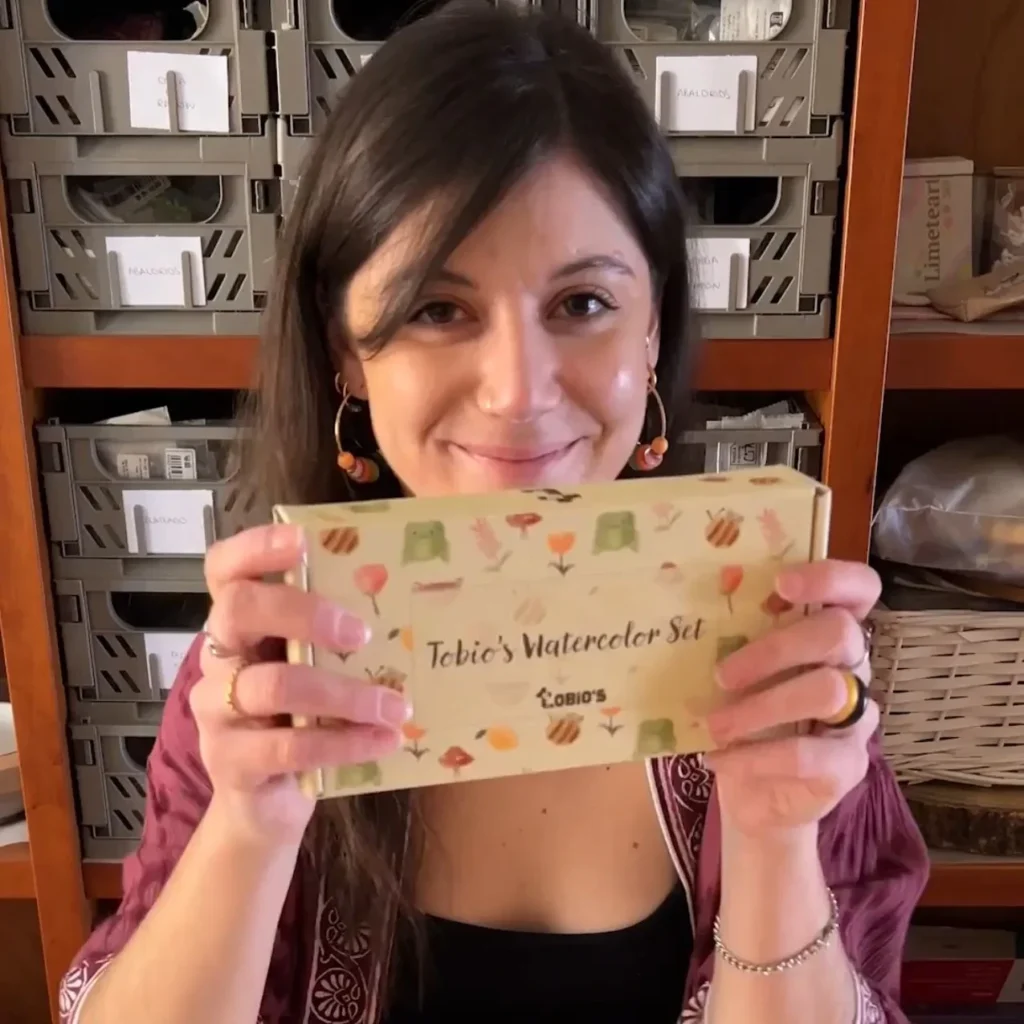
One brand that has been building a strong reputation in this space is Tobios Kits.
Their watercolor sets are designed specifically for adults who want to start painting without the stress of building a setup from scratch.
The kits are compact, beautifully packaged, and built around the idea that creativity should feel enjoyable rather than like a chore.
They even offer guided workbooks with pre-sketched designs printed on real watercolor paper, which is a brilliant solution for anyone who freezes up in front of a blank page and does not know where to begin.
The packaging alone makes these popular as gifts, but the real value is in how thoughtfully the contents are chosen. Nothing is filler. Everything serves a purpose.
Why Painting Outdoors Is Worth Trying
One of the biggest advantages of a portable watercolor kit is that it gives you the freedom to take your practice outside.
Painting outdoors, also called plein air painting, has a long tradition in fine art, but you do not need to be a professional to enjoy it.
Sitting in a park and painting what you see around you is one of the most natural ways to sharpen your observation skills.
You are not staring at a reference photo on a screen. You are looking at real light, real shadows, and real colors shifting as clouds drift overhead. It forces you to make quick decisions and trust your instincts, which builds confidence faster than almost anything else.
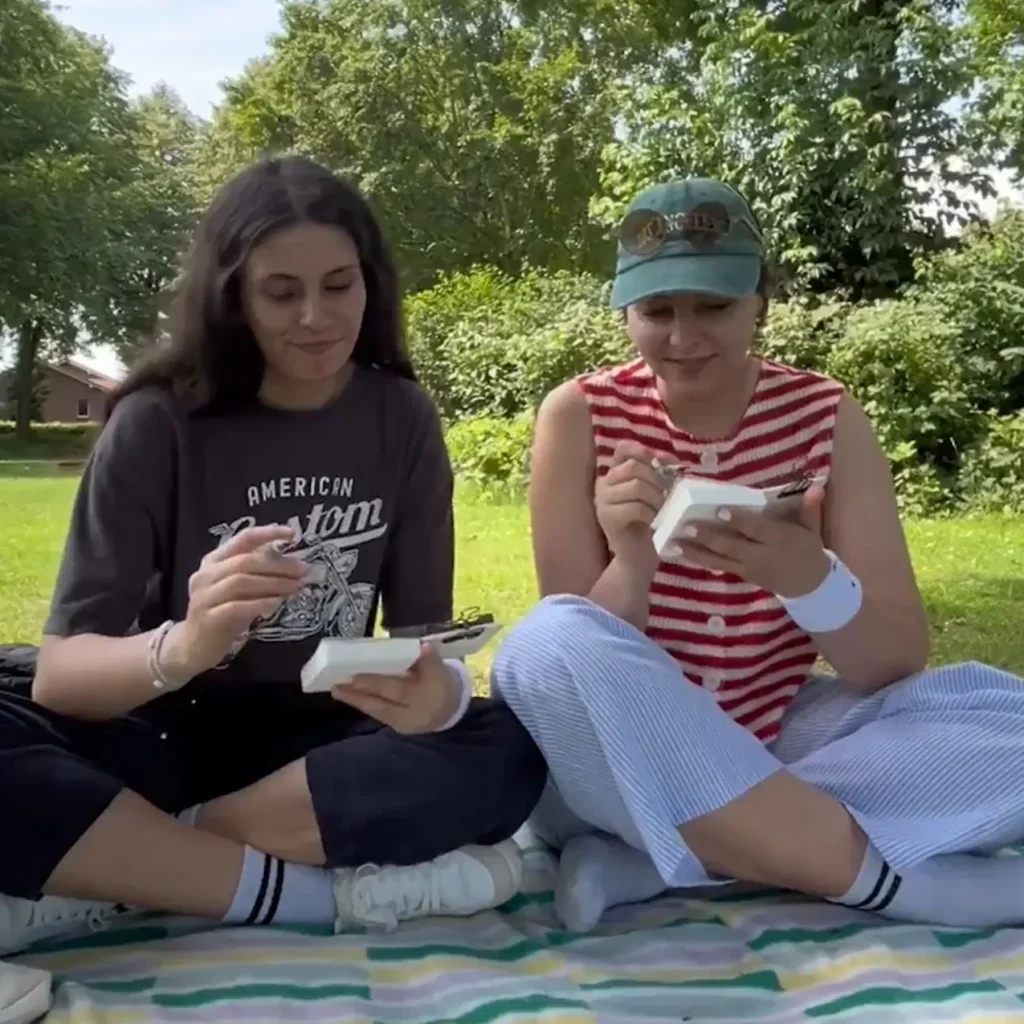
It is also just a genuinely pleasant way to spend an afternoon. Pack a small kit, grab a friend, find a good spot, and paint. There are no stakes, no pressure, and no wrong answers.
Simple Habits That Actually Help You Stick With It
Starting is the hard part. Building consistency is the next challenge. A few things that genuinely help:
Paint with other people when you can.
Having a friend along removes the self-consciousness that comes with practicing alone. The session starts to feel like a social activity rather than a skill you are trying to master. You end up laughing at your mistakes instead of feeling discouraged by them.
Keep your kit somewhere visible.
If your supplies are packed away in a closet, you will rarely reach for them. Leave your kit on your desk, your kitchen table, or in your bag. The more accessible it is, the more likely you are to pick it up during a spare twenty minutes.
Set very small goals per session.
Not “paint something beautiful” but “try mixing three colors I have never combined before” or “fill half a page with loose, relaxed brushstrokes.” Small wins build the kind of momentum that turns a short-lived interest into a real practice.
You Do Not Need Talent, Just a Good Starting Point
The most common thing people say before they start painting is “I am not creative enough” or “I could never do that.” But creativity is not a trait you either have or do not have. It is a habit, and like any habit, it grows when you remove the friction that keeps you from showing up.
A good beginner art kit, a little patience, and the willingness to make something imperfect are genuinely all you need to get started. Whether you end up falling in love with watercolor, moving on to acrylics, or exploring something else entirely, the point is simply that you began.
And beginning, it turns out, is the only thing that ever really matters.
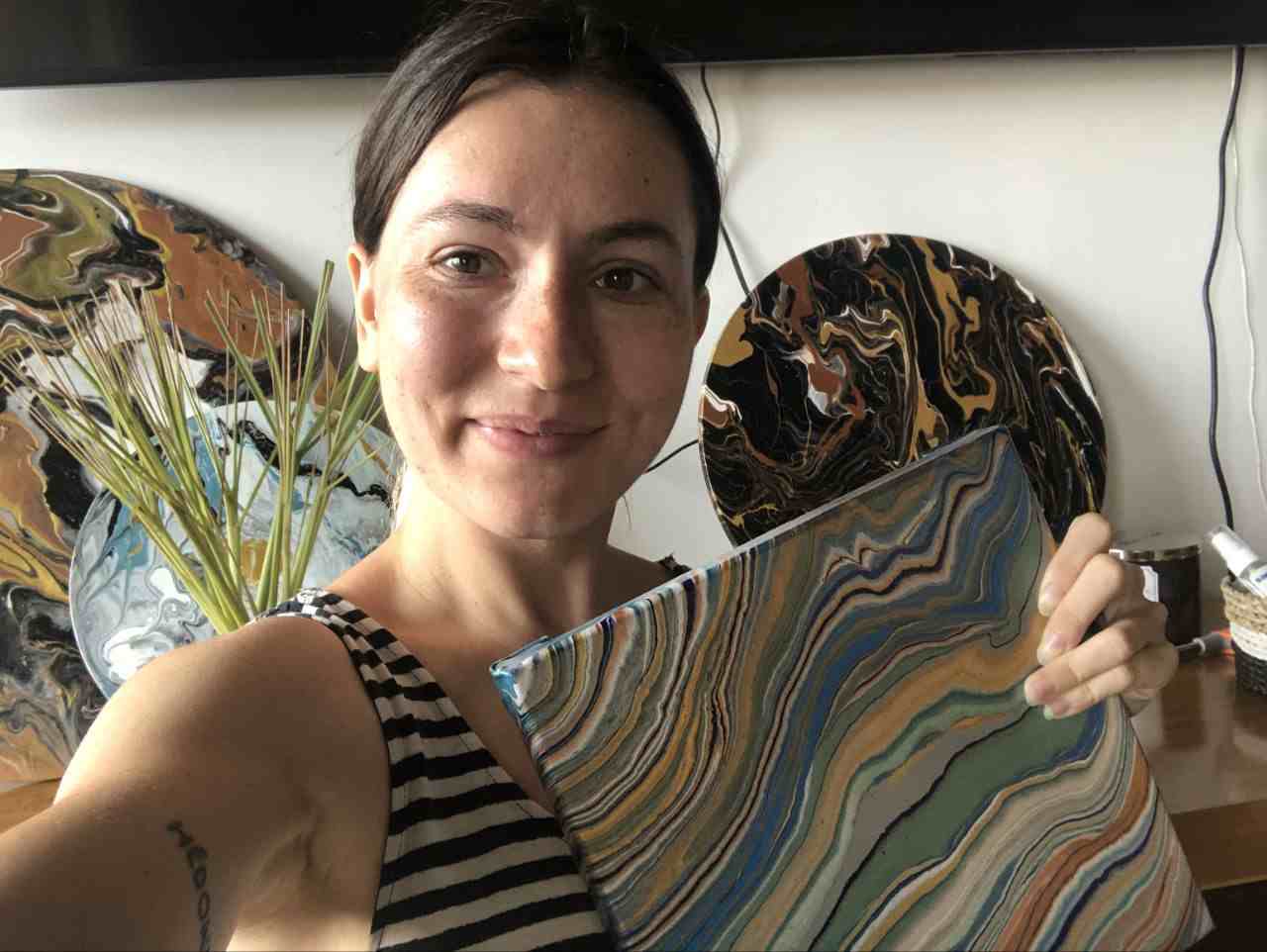
Masha Eretnova, born in 1991, is a Chiang Mai-based certified teacher, artist, and blogger with 20+ years of personal painting journey.
She started painting and drawing very early and is now an international abstract artist and educator passionate about acrylic painting, gouache, and crafts.
Her works are part of international exhibitions and contests, including ArtlyMix (Brazil), Al-Tiba 9 (Spain), Exhibizone (Canada), Italy, and many more.
Besides her artistic pursuits, Masha holds a post-grad diploma in Teaching Film Photography and 2 music school diplomas: piano and opera singing.