Last Updated on May 29, 2026 by Masha Eretnova
Hot afternoon, no plans, three kids asking what to do next. That scenario runs on a loop through summer break for many families.
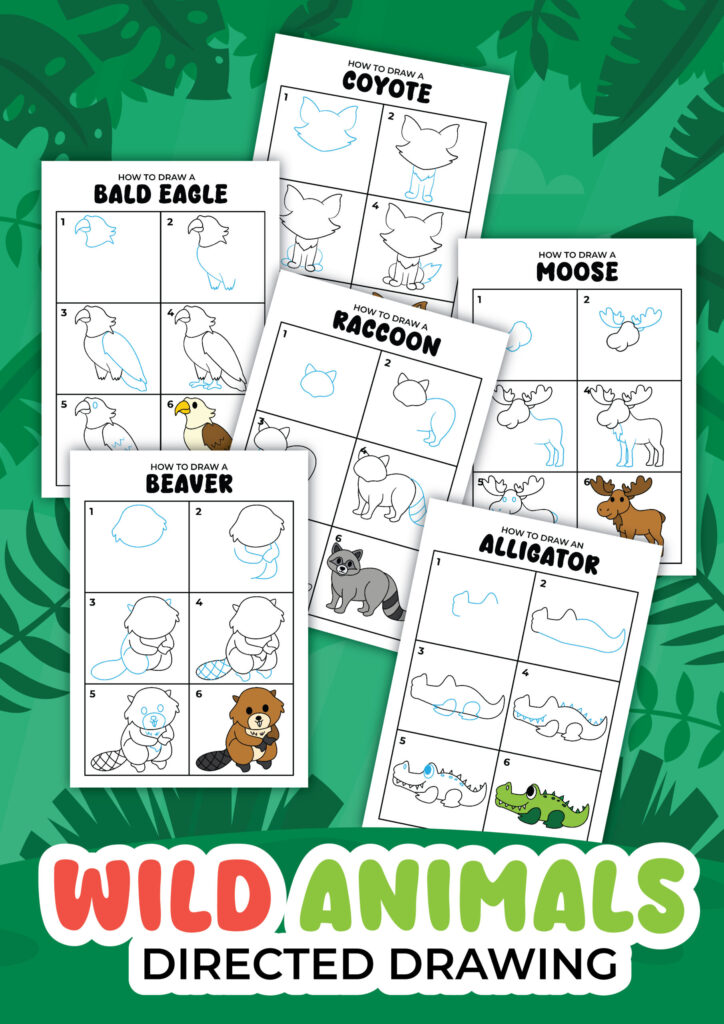
This Wild Animals Directed Drawing pack hands you nine ready-to-print pages that walk kids through drawing a moose, lynx, alligator, and six more animals one step at a time. Pencil, paper, fifteen minutes per animal, done.
The pages work because the steps do the thinking. Kids who say they “can’t draw” finish a recognisable animal by the sixth panel just by following the outlines.
What’s Inside the Pack
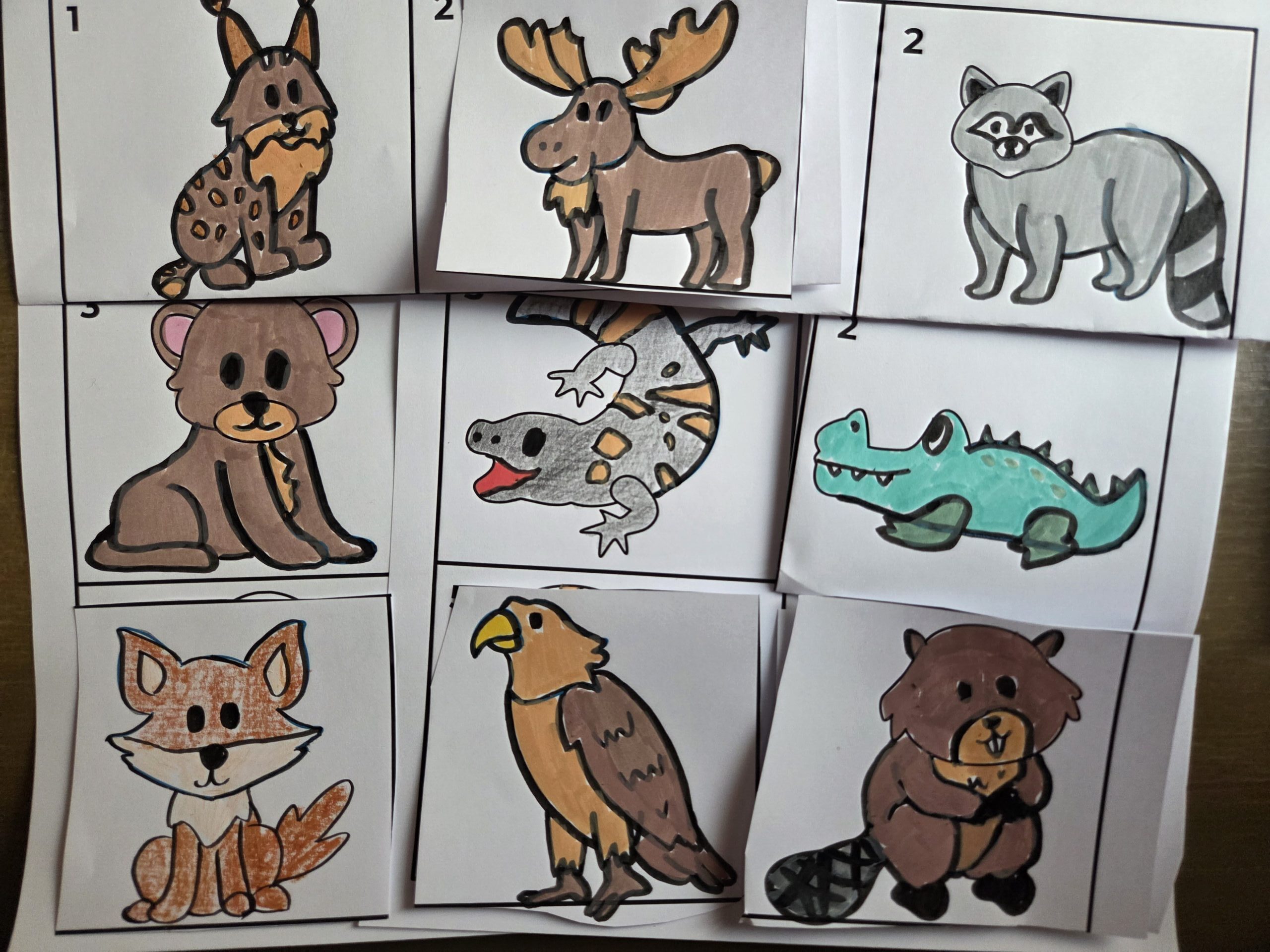
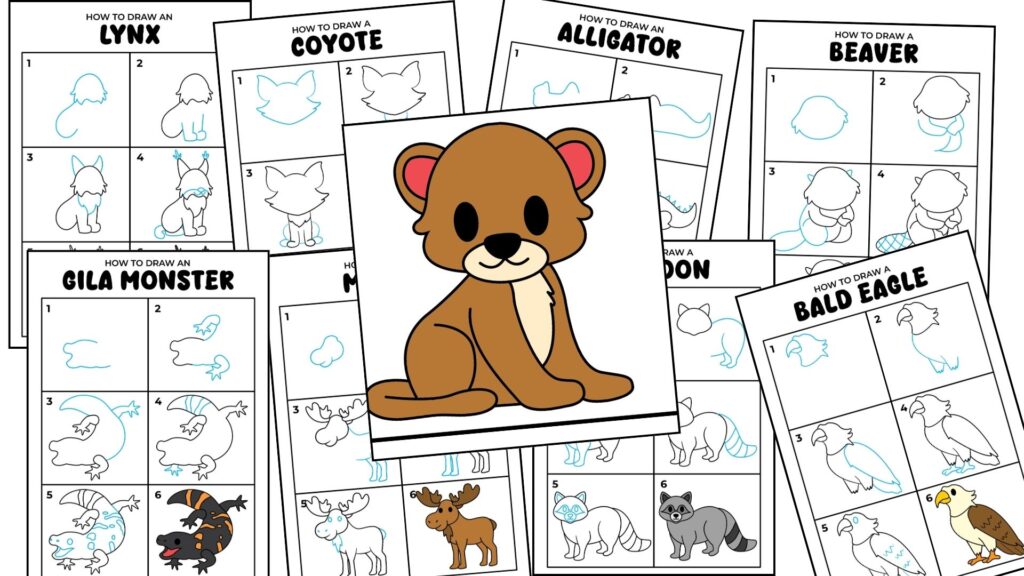
The set covers nine wild animals from across North America: alligator, coyote, bald eagle, moose, raccoon, beaver, lynx, gila monster, and cougar.
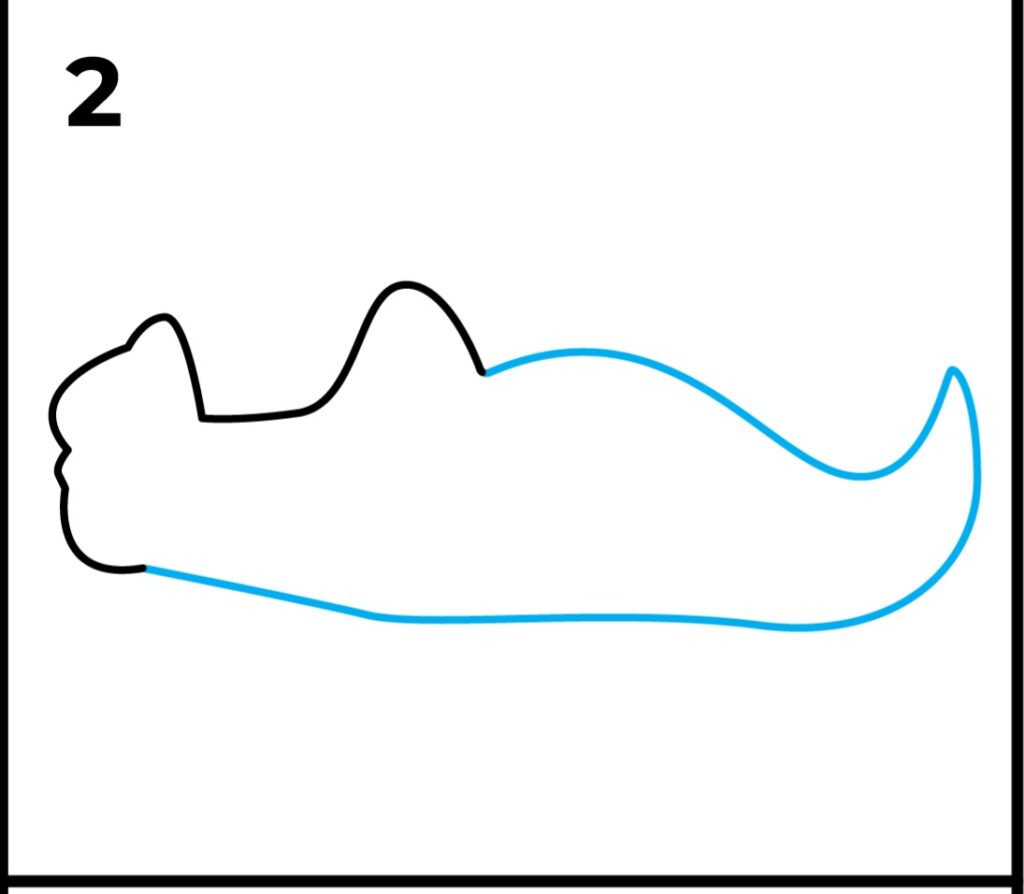
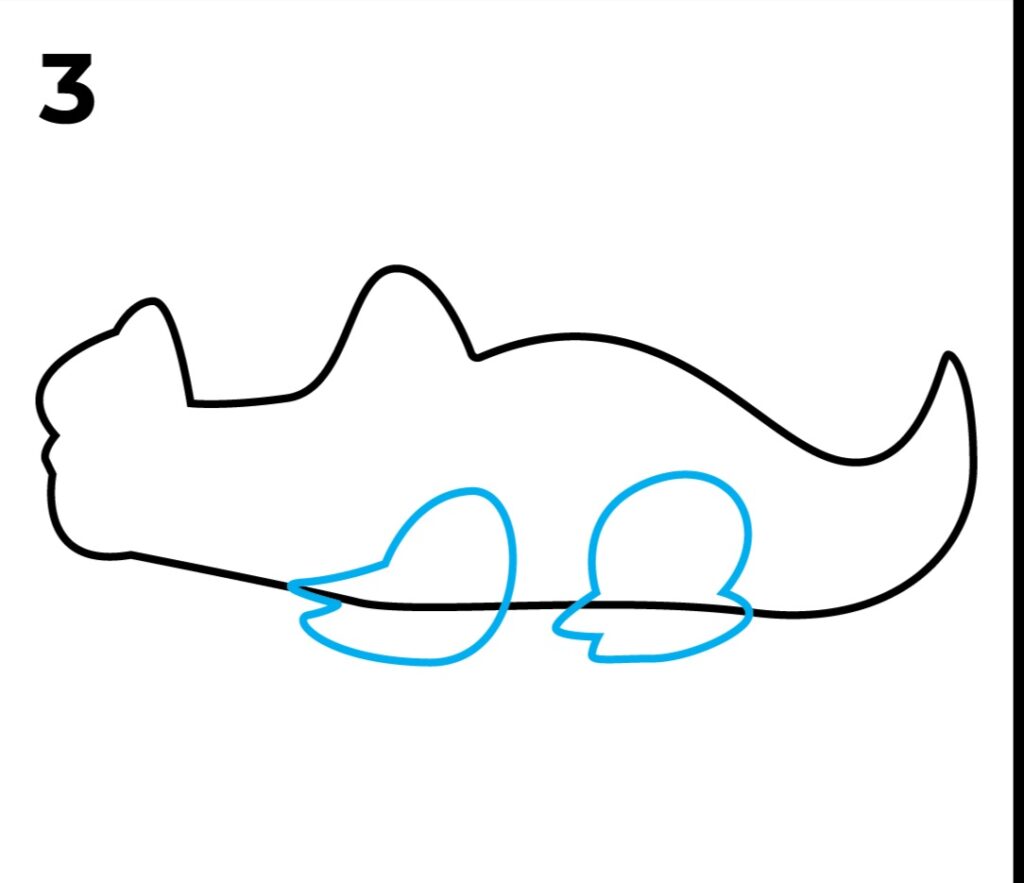
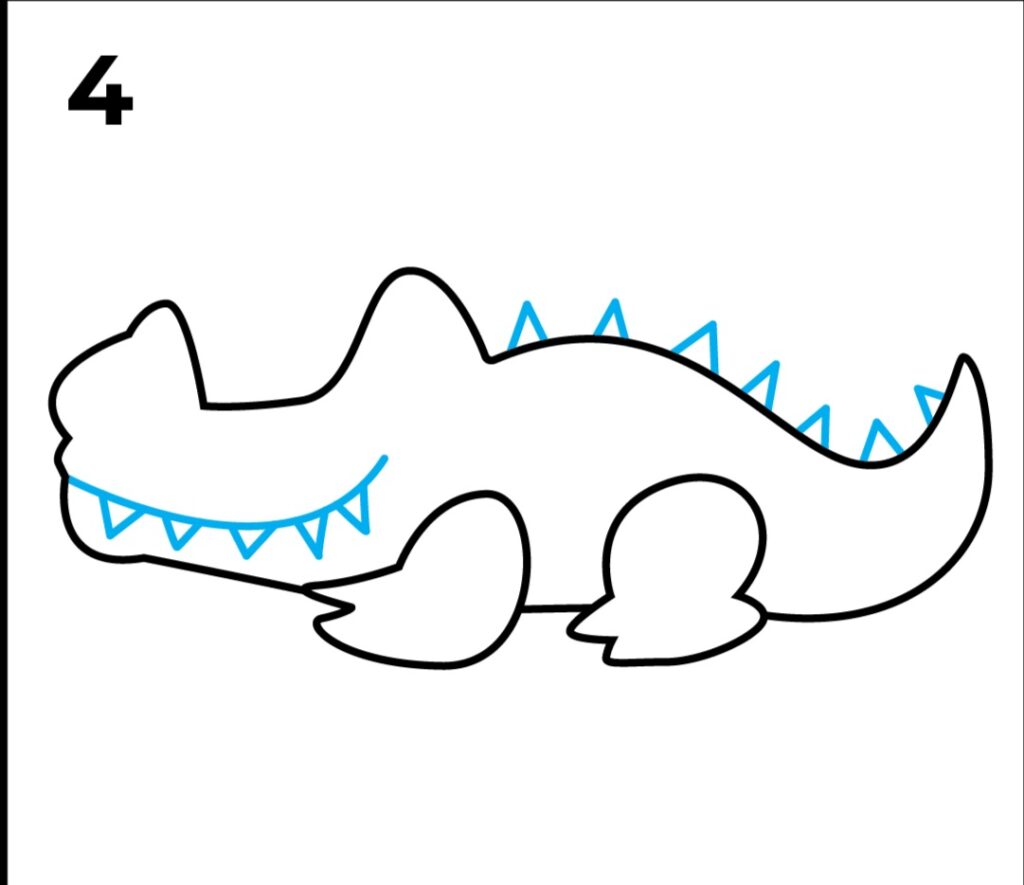
Every page uses the same six-panel format. Step 1 shows the starting shape in blue, step 6 shows the finished animal coloured in, and panels 2 to 5 add one or two new lines per step.
Difficulty is mixed across the pack on purpose. Alligator, raccoon, and coyote sit at the easier end. Moose antlers, beaver tail crosshatching, and gila monster patterns take a bit more focus. A first-time drawer can start with the alligator and work up from there.
Why a Printable Beats a Video Tutorial
Most “how to draw wild animals” tutorials for kids live on YouTube, and that creates a real problem. The video keeps moving while your child is still drawing step 2.
Pausing helps for a minute, then constant pause-rewind-pause turns a calm activity into a frustrated one. The whole point of a screen-free afternoon disappears the moment you open the app.
Plus, one video easily leads to the child watching more videos and spending more time with a screen. We are here trying to avoid exactly that!
Printables fix this completely. Each step sits next to the previous one on the same page, so kids look across at their own pace, finish the line, and move to the next panel when they’re ready.
Supplies
- Printer and a few sheets of plain paper
- Printed pages
- Sharpened pencil
- Eraser
- Black fine-tip pen or marker (optional, for outlining at the end)
- Coloured pencils, textas, or crayons
How to Use the Pack
Each page follows the same six-step pattern. Once your child draws one animal, the rest feel familiar.
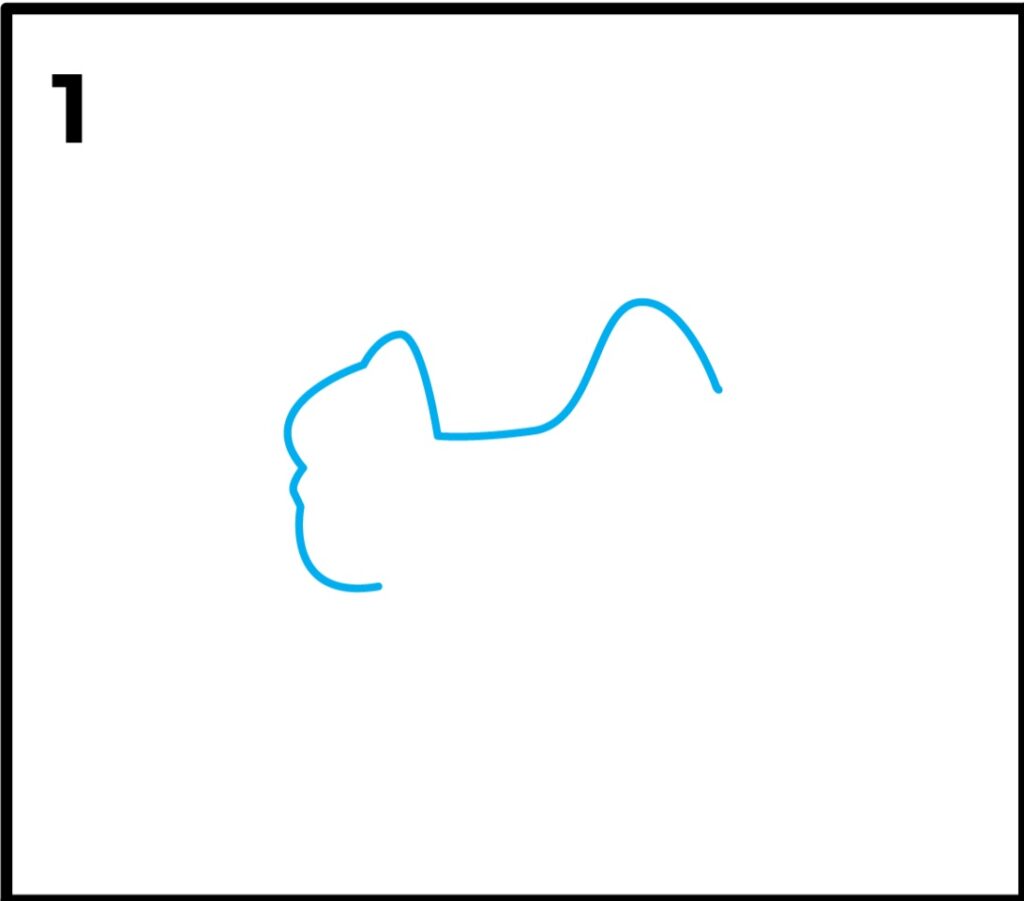
Step 1: Start with the base shape
The first panel is the simplest part of the animal, usually a head outline, a body, or a snout. Copy it onto a blank sheet and keep the size small enough to leave room for legs, antlers, or a tail later.
Step 2: Add the next shape
Step 2 keeps the lines from step 1 and adds one more piece. On the coyote, that’s the front legs. On the moose, the antlers. Copy only the new blue lines.
Step 3 and 4: Build out the body
These middle steps fill in legs, tails, ears, or wings. Blue lines mark what’s new each time. If a line goes wrong, the eraser handles it.
Step 5: Add face and details
The face goes on near the end: eyes, nose, mouth, ear tufts, stripes, spots, scales. This is the step where the animal suddenly has personality.
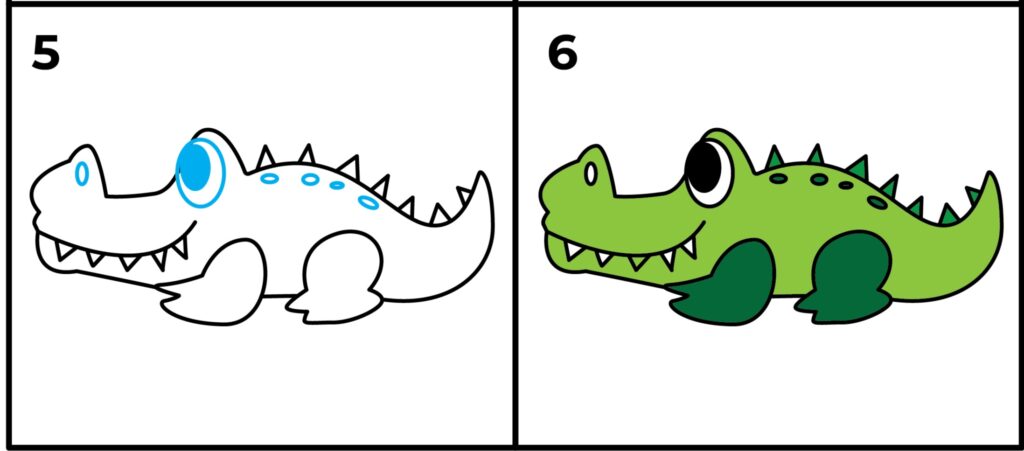
Step 6: Outline and colour
Trace over the pencil with a black pen for a clean finish, then colour using the example panel as a guide. Or invent new colours. A purple lynx works just as well.
More animals-themed crafts:
- 3D Woodland Animals Craft
- Learn Numbers & Counting to 10 With Animals Craft
- Woodland Animals Finger Puppets Craft For Kids
- 18 Winter Animal Crafts For Kids
- DIY Summer Corner Bookmarks (Printable 10 Designs)
- Free Habitats Color by Number Printables
The 9 Animals and What to Talk About While You Draw
Each animal opens a different conversation. Use these prompts to chat while pencils are moving.
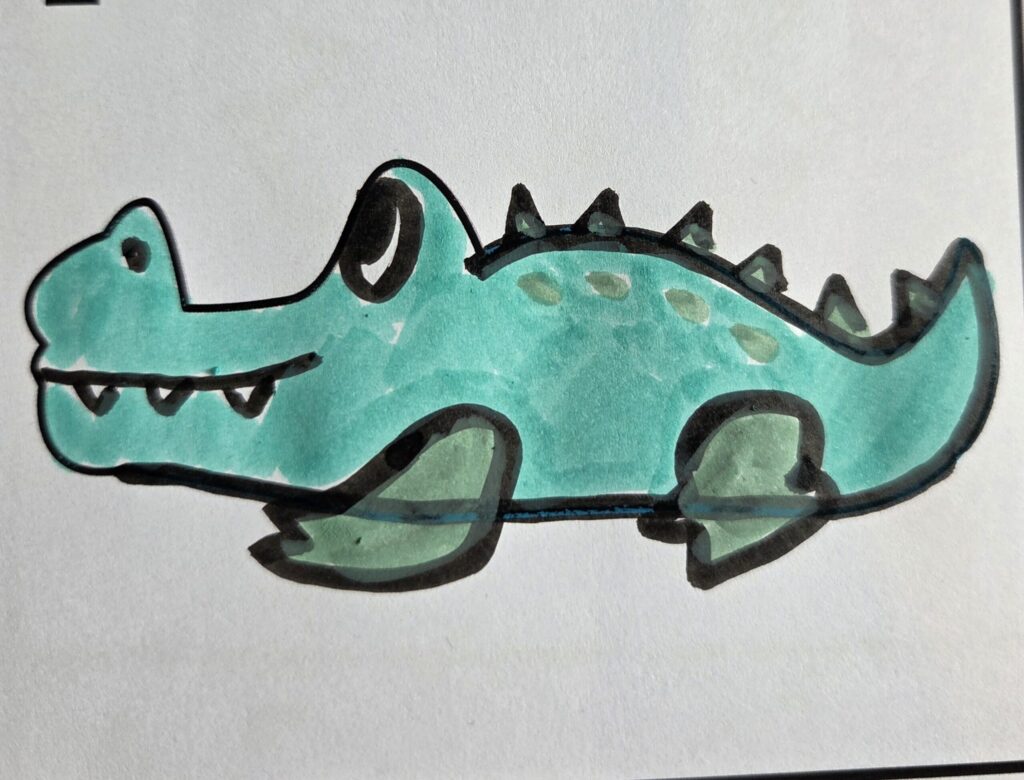
Alligator. Green on top, lighter green underneath. Lives in swamps and rivers in the southern United States. Stays so still in the water that fish swim right past.
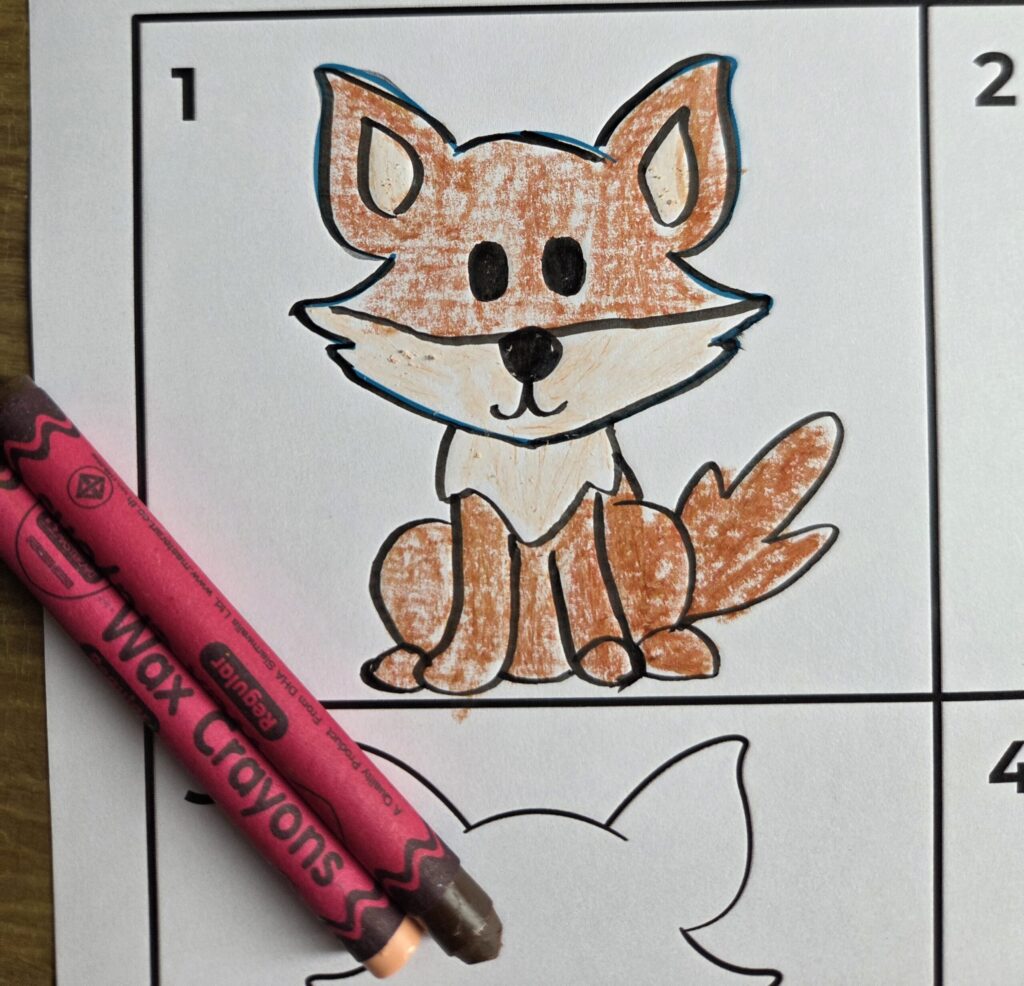
Coyote. Brown with a cream belly and a bushy tail. A cousin of the wolf, smaller and faster. Coyotes howl at night to call their family back together.
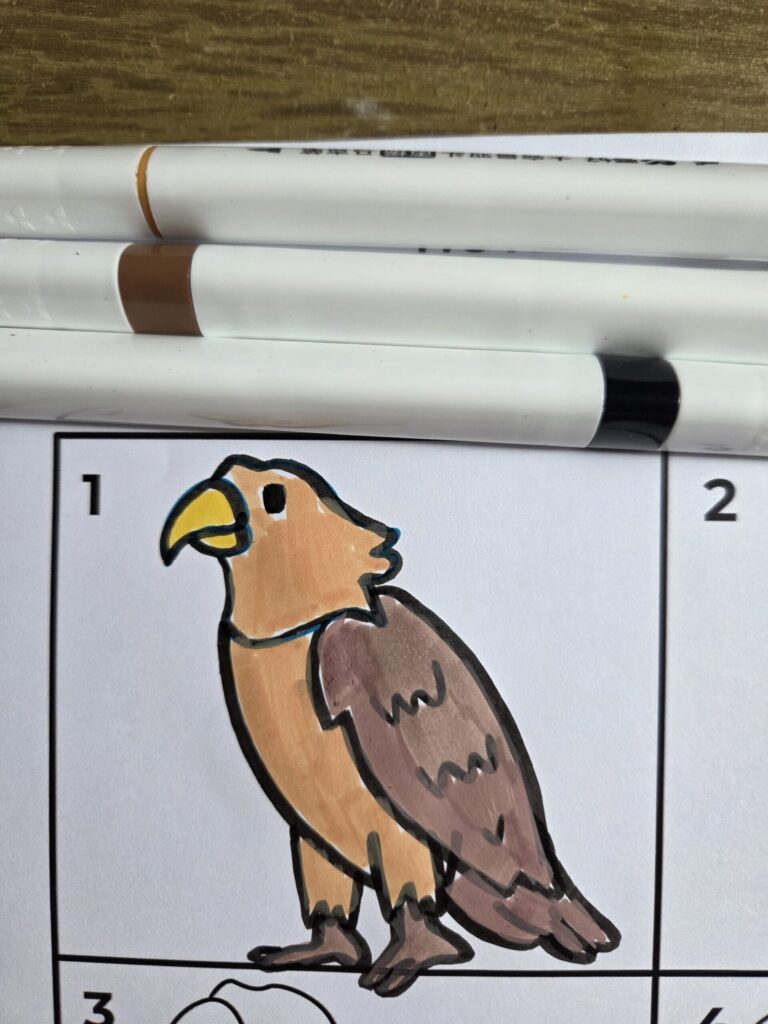
Bald Eagle. Not actually bald. The white feathers on its head just look that way from far off. Bright yellow beak, dark brown wings, builds the biggest nest of any bird in North America.
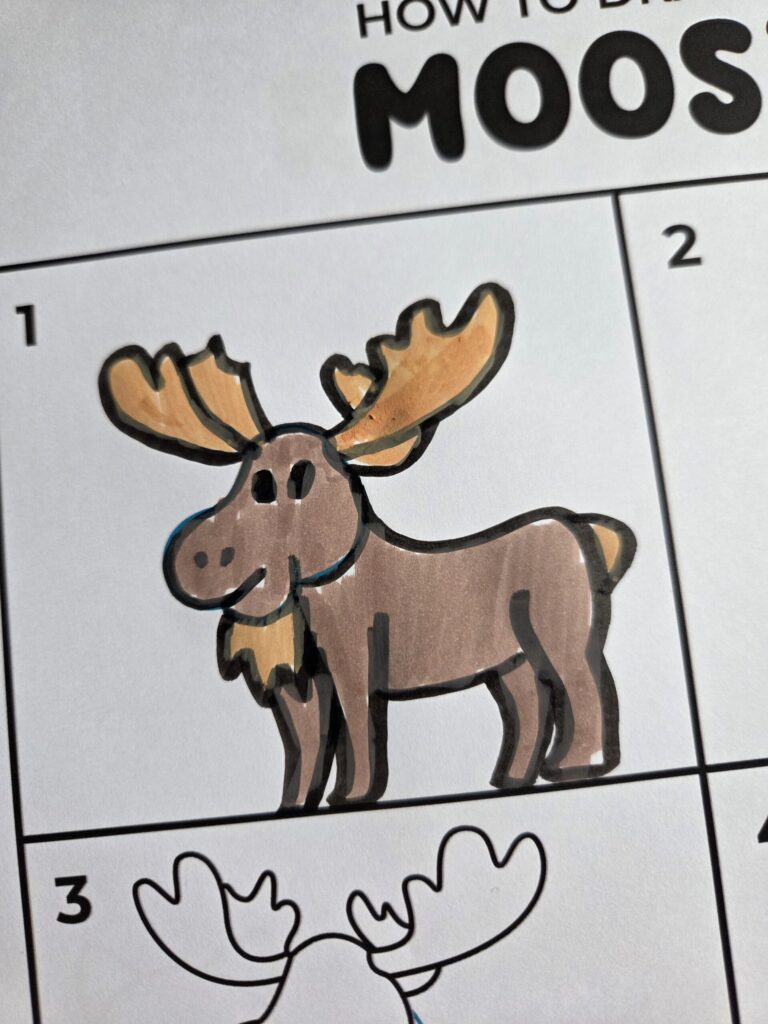
Moose. Largest member of the deer family. Only the males grow antlers, and those antlers fall off every winter and grow back bigger.
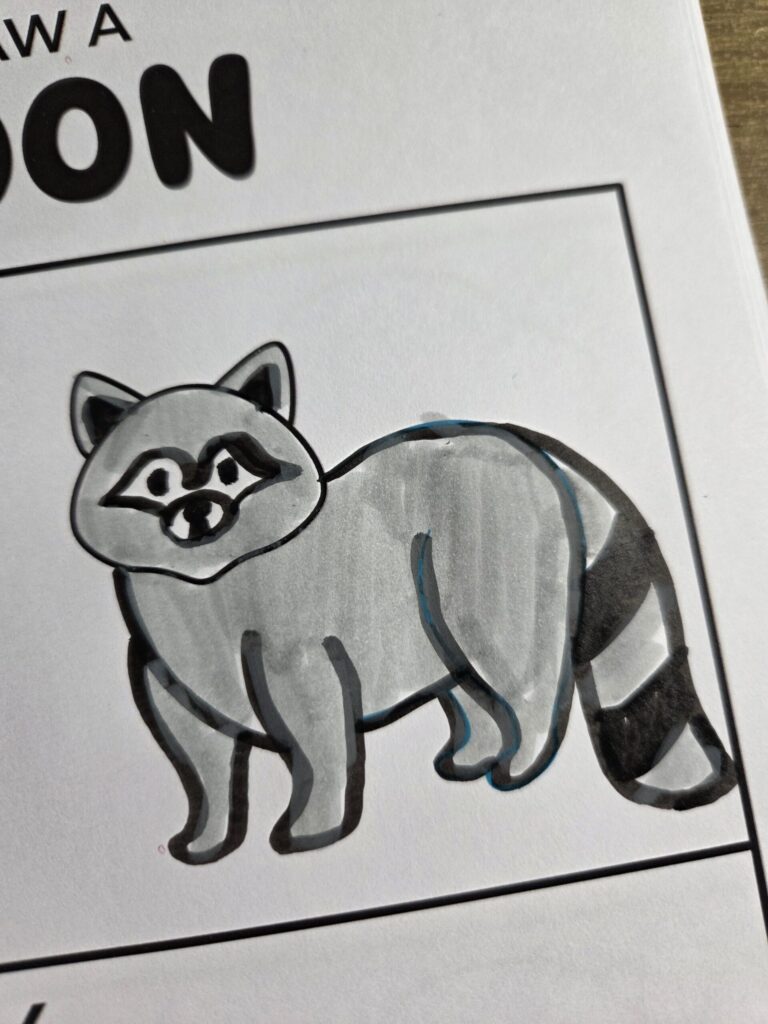
Raccoon. Grey fur with a black bandit mask and a ringed tail. Tiny paws that work almost like little hands. Most active after dark.
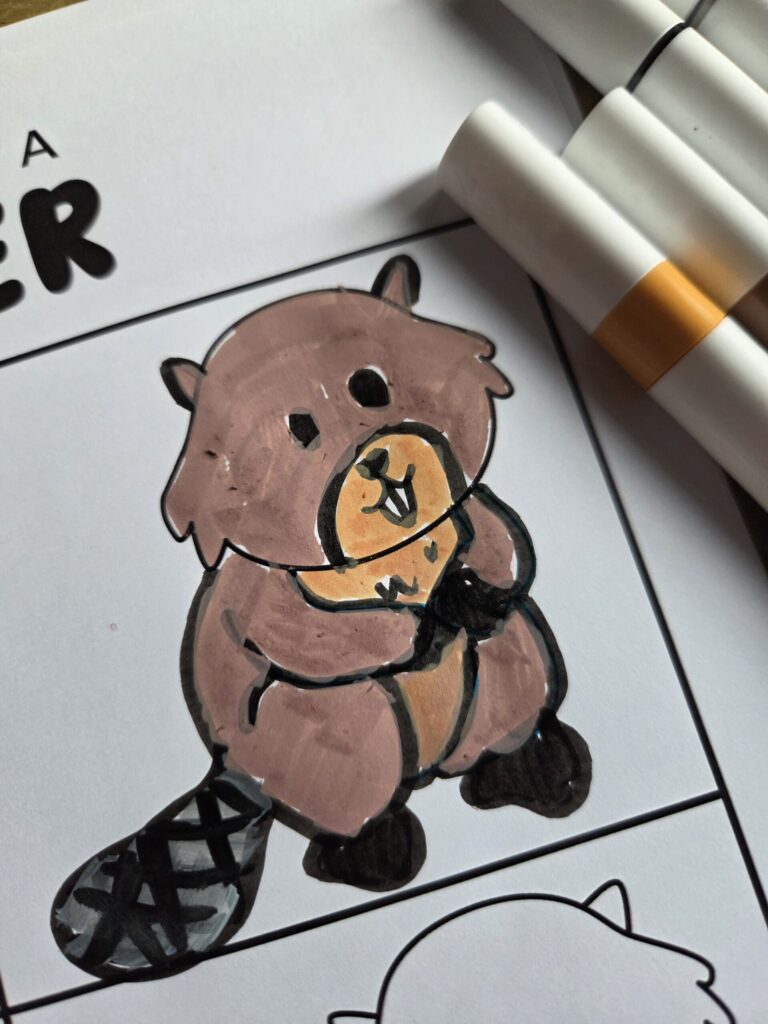
Beaver. Dark brown fur, flat paddle tail, bright orange front teeth. Chews down whole trees with those teeth to build wooden dams across streams.
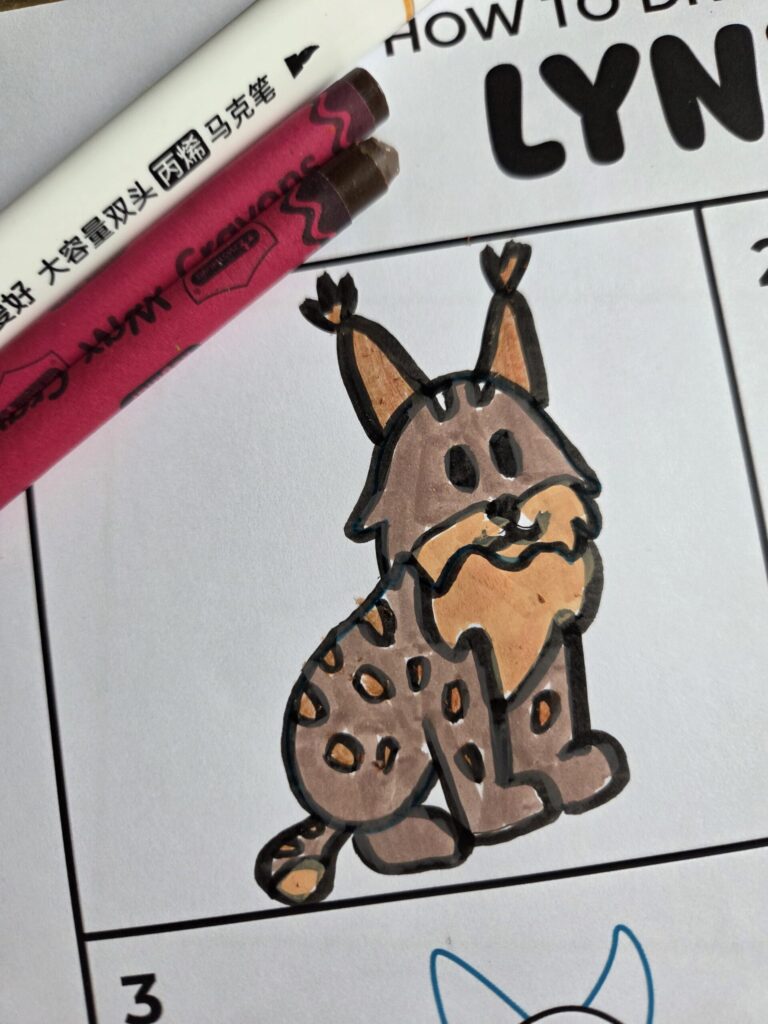
Lynx. Spotted wild cat with pointy ear tufts and huge fluffy paws that work like snowshoes in deep snow. Lives in cold northern forests.
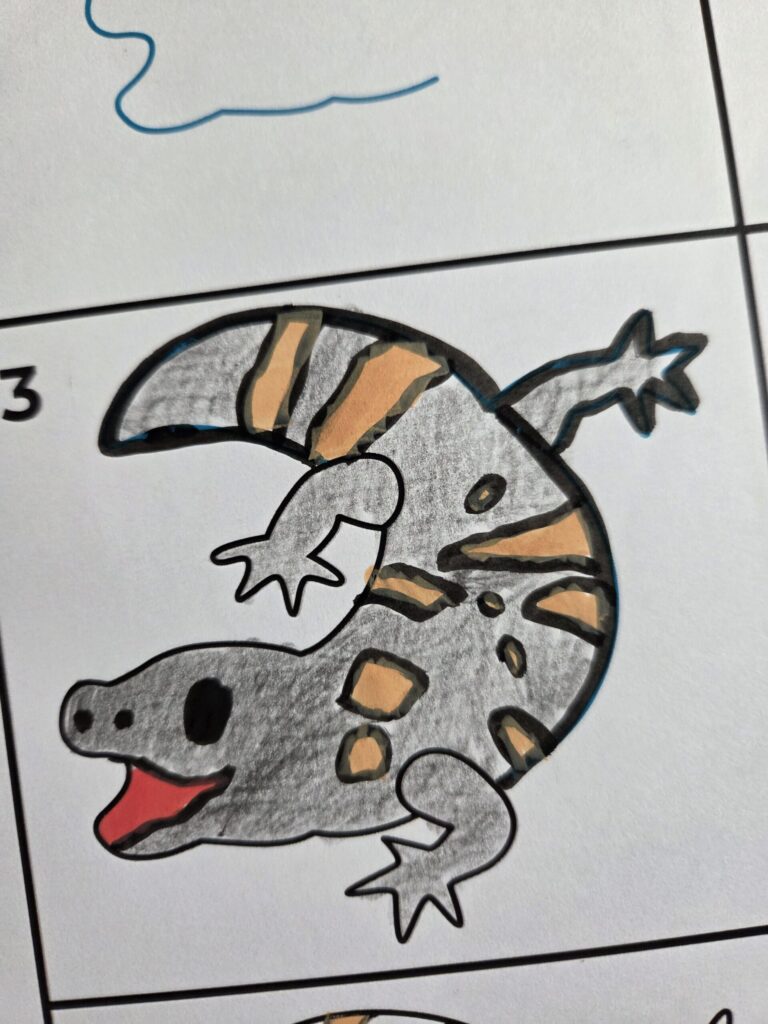
Gila Monster. Black with bright orange patterns that warn predators to stay away. One of only a few venomous lizards in the world. Lives in hot desert sand in the American southwest.
Cougar. Also called mountain lion, puma, or panther. Same animal, four names depending on where you live. One of the strongest jumpers of any big cat.
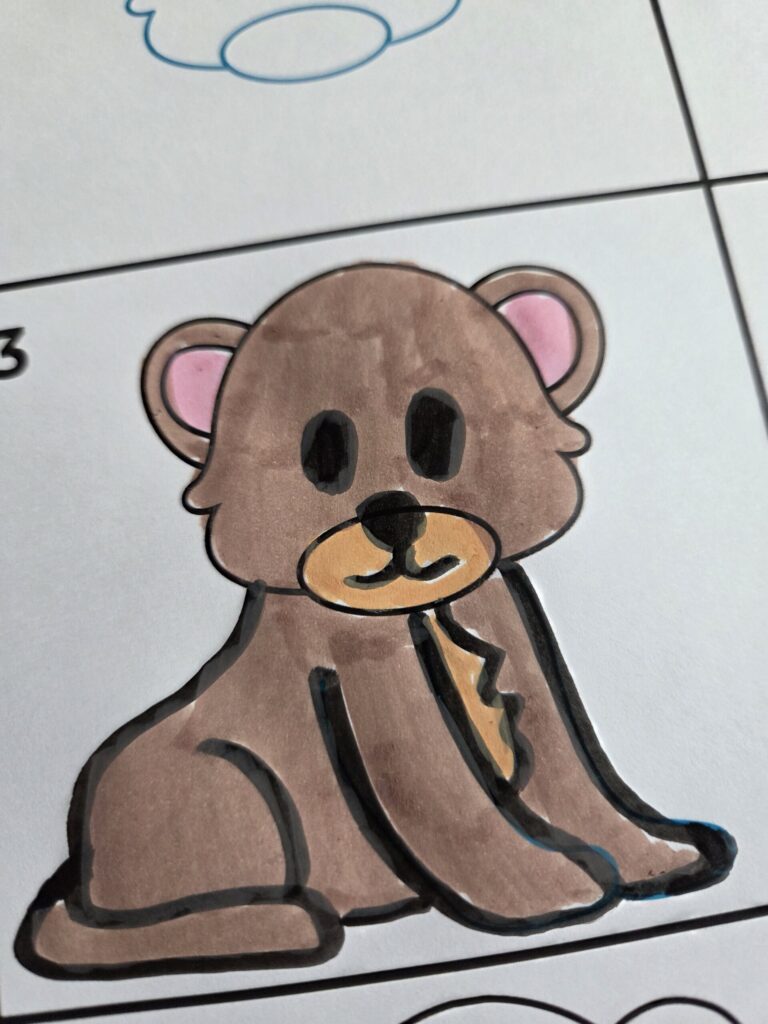
For preschoolers, point at the colour panel and name the colours together. That counts as the lesson.
Get the Free Printable
Drop your email below to download the full Wild Animals Directed Drawing pack with all 9 animals.
Masha Eretnova, born in 1991, is a Chiang Mai-based certified teacher, artist, and blogger with 20+ years of personal painting journey.
She started painting and drawing very early and is now an international abstract artist and educator passionate about acrylic painting, gouache, and crafts.
Her works are part of international exhibitions and contests, including ArtlyMix (Brazil), Al-Tiba 9 (Spain), Exhibizone (Canada), Italy, and many more.
Besides her artistic pursuits, Masha holds a post-grad diploma in Teaching Film Photography and 2 music school diplomas: piano and opera singing.